Introduction to Workplace Safety for Social Service Workers
Free previewOverview of workplace safety principles tailored to social service environments and workers.
Preview this lesson Open preview
Understanding Workplace Safety in Social Service Settings
Workplace safety is a fundamental aspect of any working environment, and it is especially critical in social service settings where workers often engage directly with vulnerable populations. As social service workers, ensuring your own safety and the safety of those around you allows you to perform your duties effectively and compassionately. This lesson provides an introduction to the key principles of workplace safety specific to social service environments, highlighting common hazards, preventive strategies, and practical examples you can relate to your daily work.
Why Workplace Safety Matters for Social Service Workers
Social service workers frequently operate in varied environments such as community centers, client homes, healthcare facilities, and offices. These settings present unique safety challenges including physical hazards, emotional stress, and potential exposure to violence or infectious diseases. By prioritizing safety, workers reduce the risk of injury and illness, enhance their well-being, and contribute to a positive and productive workplace culture. Furthermore, understanding safety principles helps in complying with organizational policies and supports professional ethics.
Common Workplace Hazards in Social Service Settings
Because social service work involves direct contact with people and often unpredictable environments, there are several hazards to be aware of. These include but are not limited to:
- Physical hazards: These include slips, trips and falls; ergonomic risks from repetitive movements or poor workstation setup; exposure to sharps or bodily fluids; and injuries from moving or lifting clients.
- Violence and aggression: Encounters with distressed or aggressive clients can lead to physical or verbal assaults. Understanding warning signs and having de-escalation skills is crucial.
- Psychosocial hazards: Stress, burnout, secondary trauma, and emotional exhaustion are common due to the demanding and often emotionally charged nature of social service work.
- Environmental hazards: Working in client homes or community settings can expose workers to clutter, poor lighting, unsafe neighborhoods, or pets that may pose risks.
- Biological hazards: Contact with infectious diseases or exposure to unsanitary conditions represent a significant concern, requiring proper hygiene and use of personal protective equipment (PPE).
Key Principles of Workplace Safety
Although every organization may have site-specific safety procedures, some general principles apply across all social service workplaces:
- Risk Awareness: Being aware of potential risks in your work environment allows you to identify hazards early and take appropriate precautions.
- Prevention Practices: Using safe work techniques, wearing appropriate PPE, and following hygiene protocols help reduce hazards.
- Communication: Reporting hazards, unsafe conditions, or incidents to supervisors and coworkers fosters a safer work environment.
- Training and Preparedness: Regular training on workplace safety, emergency procedures, and conflict resolution are essential to maintain readiness.
- Self-Care and Support: Managing stress, seeking support, and maintaining mental well-being enables workers to sustain safe and effective work practices.
Practical Safety Strategies for Social Service Workers
Here are several practical steps you can take to maintain your safety while working in social service roles:
- Perform a Safety Check: Before entering a client’s home or community setting, assess the environment for potential hazards such as cluttered walkways, aggressive animals, or signs of substance use.
- Use the Buddy System: When possible, work in pairs or inform a colleague of your whereabouts, especially when visiting unfamiliar or high-risk locations.
- Maintain Personal Boundaries: Establish clear physical and emotional boundaries with clients to protect yourself from harm or undue stress.
- Practice Safe Lifting Techniques: Avoid injuries by using proper posture and equipment when assisting clients with mobility or lifting tasks.
- Develop Conflict De-escalation Skills: Learn techniques to calm aggressive behavior and avoid escalation whenever possible.
- Report Incidents Promptly: Immediately communicate any safety concerns, near misses, or incidents to your supervisor to ensure timely action and support.
- Use Personal Protective Equipment (PPE): Gloves, masks, or eye protection may be required when handling bodily fluids or working in environments with infectious risks.
- Prioritize Mental Health: Take breaks, access counseling or peer support programs, and recognize signs of burnout early.
Workplace Safety: Real-World Examples
Here are a few scenarios illustrating the application of workplace safety principles:
- Scenario 1 - Home Visit: A social worker arrives at a client’s home to provide counseling. Before entering, the worker notes loose electrical wires and a large dog barking aggressively. The worker assesses the safety risks, advises client family members about the hazards, ensures the dog is secured, and proceeds with the visit while maintaining an exit plan should the situation change.
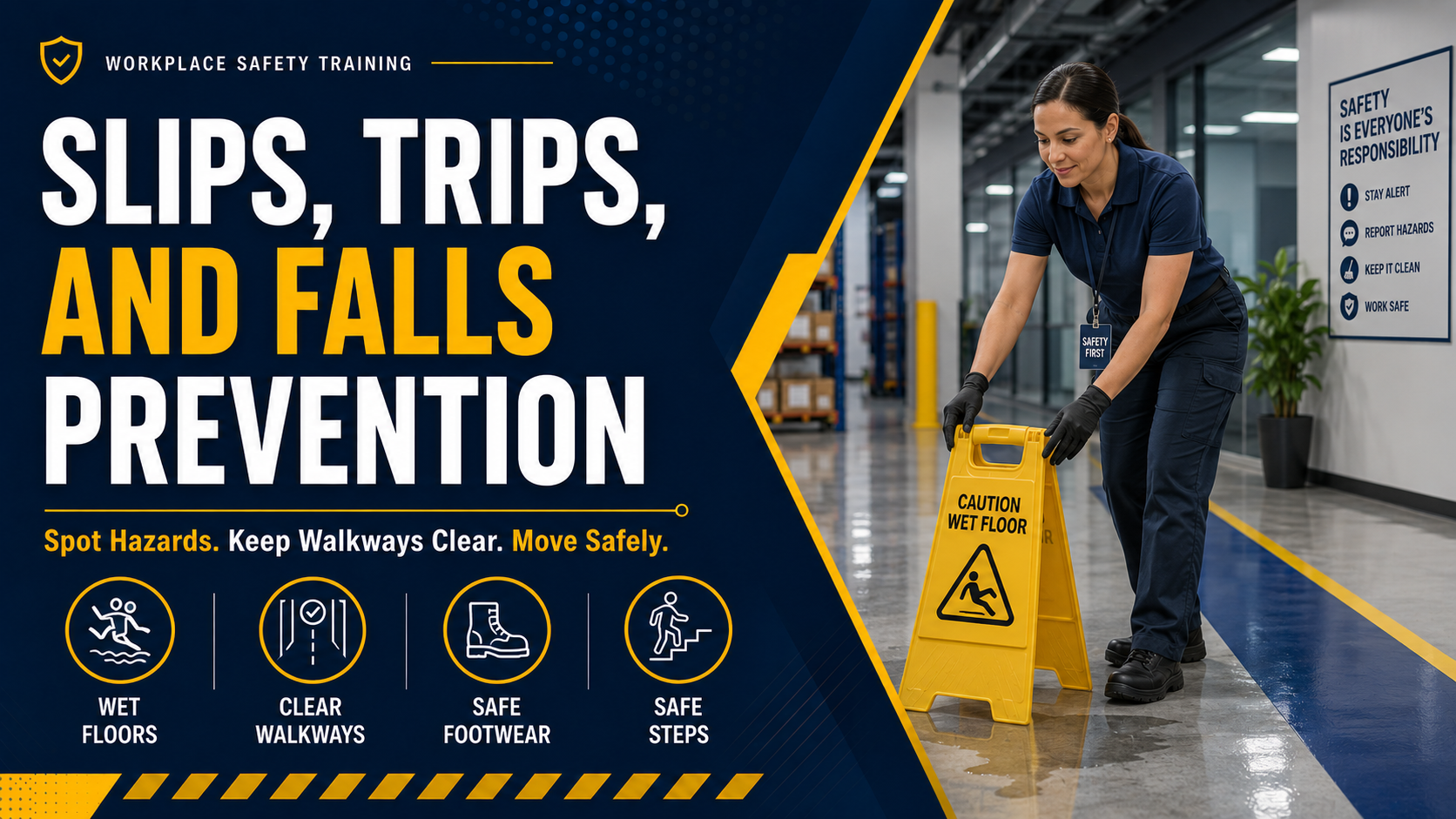
- Scenario 2 - Office Setting: A social service agency employee notices that the carpet in the hallway is damaged and could cause trips. The employee reports the hazard to maintenance and reminds colleagues to be cautious until the repair is done, reducing the risk of injury.
- Scenario 3 - Handling Stress: A worker feels overwhelmed after multiple difficult client interactions in a day. The worker accesses the agency’s employee assistance program and discusses stress management strategies with their supervisor, ensuring continued mental well-being.
Recap: Staying Safe in Social Service Work
Workplace safety in social service environments requires constant awareness and proactive measures tailored to the unique challenges of the role. By understanding potential hazards, applying practical safety strategies, and seeking support when needed, social service workers can protect themselves and their clients while maintaining the quality and integrity of their work. Remember, this lesson provides a general overview and should be complemented by your employer’s specific safety training and site protocols.
This course provides general workplace safety awareness and is not a substitute for employer or site-specific training, legal certification, or government approval.