What Are Slips, Trips, and Falls?
Slips, trips, and falls are among the most common causes of workplace injuries. While these terms are often grouped together, they describe distinct types of incidents:
- Slip: When there is too little friction or traction between the footwear and the walking surface, causing a loss of balance.
- Trip: When the foot hits or catches on an object or uneven surface, causing a forward momentum loss.
- Fall: When a person loses their balance and lands on the ground or a lower level, which can happen after a slip or trip or even independently.
Why Are Slips, Trips, and Falls Important to Prevent?
Injuries from slips, trips, and falls can range from minor bruises to severe fractures, head injuries, and even fatalities. These incidents affect not only the health and safety of employees but also workplace productivity and costs. According to workplace safety data, slips, trips, and falls consistently rank among the top causes of lost-time injuries across various industries.
Workplace Statistics and Impact
Workplace slips, trips, and falls represent a significant safety challenge:
- They account for approximately 25% of all reported injury claims in general industry.
- Falls to a lower level are one of the leading causes of occupational fatalities.
- They often result in substantial lost workdays and increased medical and compensation costs.
Understanding these trends helps employers and workers emphasize prevention strategies to reduce these incidents.
Common Causes of Slips, Trips, and Falls
Several factors contribute to slips, trips, and falls in a workplace environment. Recognizing these causes allows for better hazard identification and control:
- Poor Housekeeping: Cluttered walkways, loose cables, or discarded materials can easily cause trips.
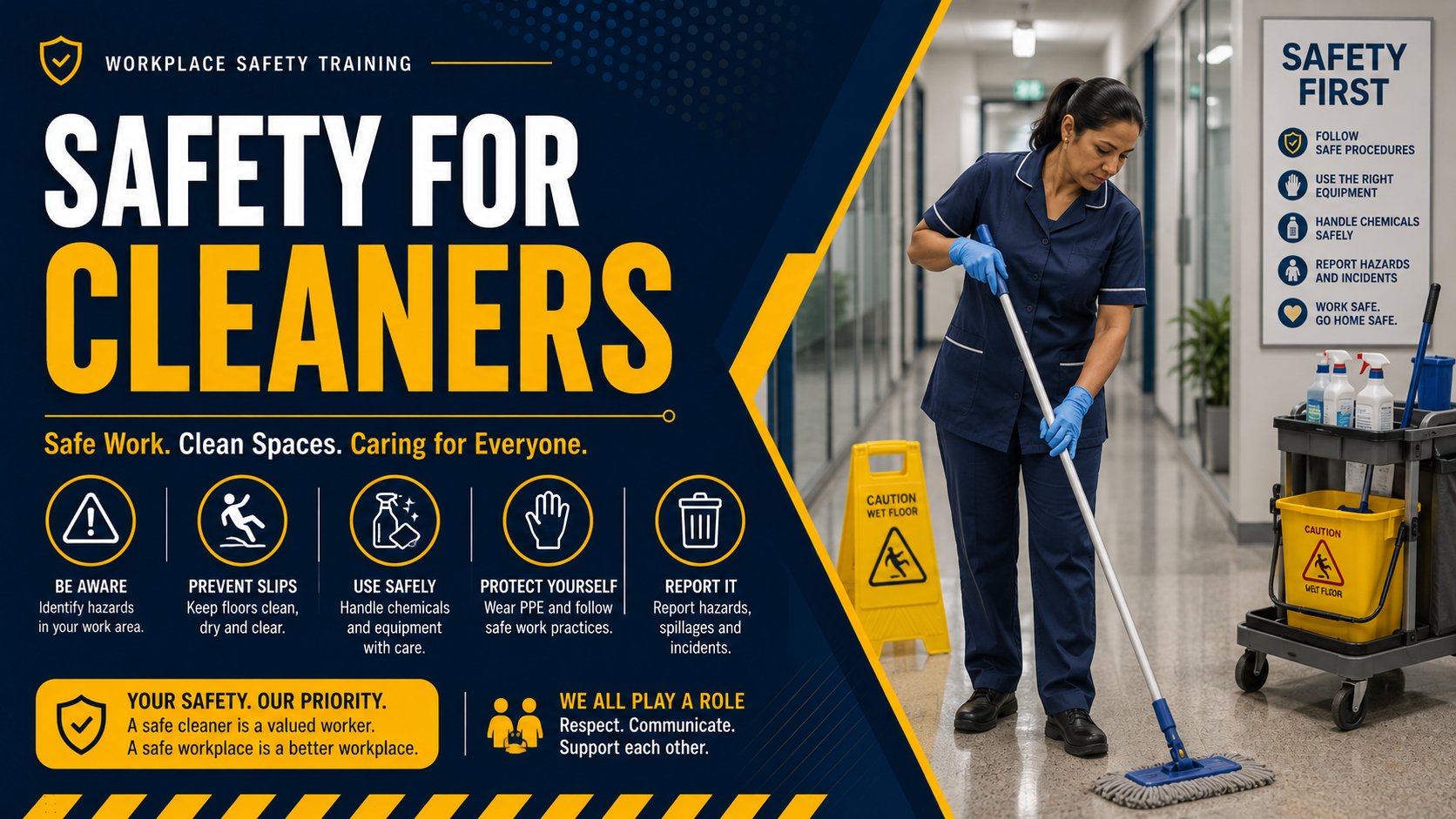
- Wet or Oily Surfaces: Spills, leaks, or wet floors increase the risk of slipping.
- Uneven Surfaces: Cracks, holes, or uneven flooring create tripping hazards.
- Inappropriate Footwear: Shoes lacking proper tread or support can reduce traction.
- Inadequate Lighting: Poor visibility may hide obstacles or changes in floor level.
Practical Examples in the Workplace
Consider these realistic scenarios that demonstrate how slips, trips, and falls can occur:
- Warehouse: An employee walking through aisles trips over a box left partially in a walkway not properly stored.
- Office: A spill of coffee on the floor that is not promptly cleaned up causes a coworker to slip.
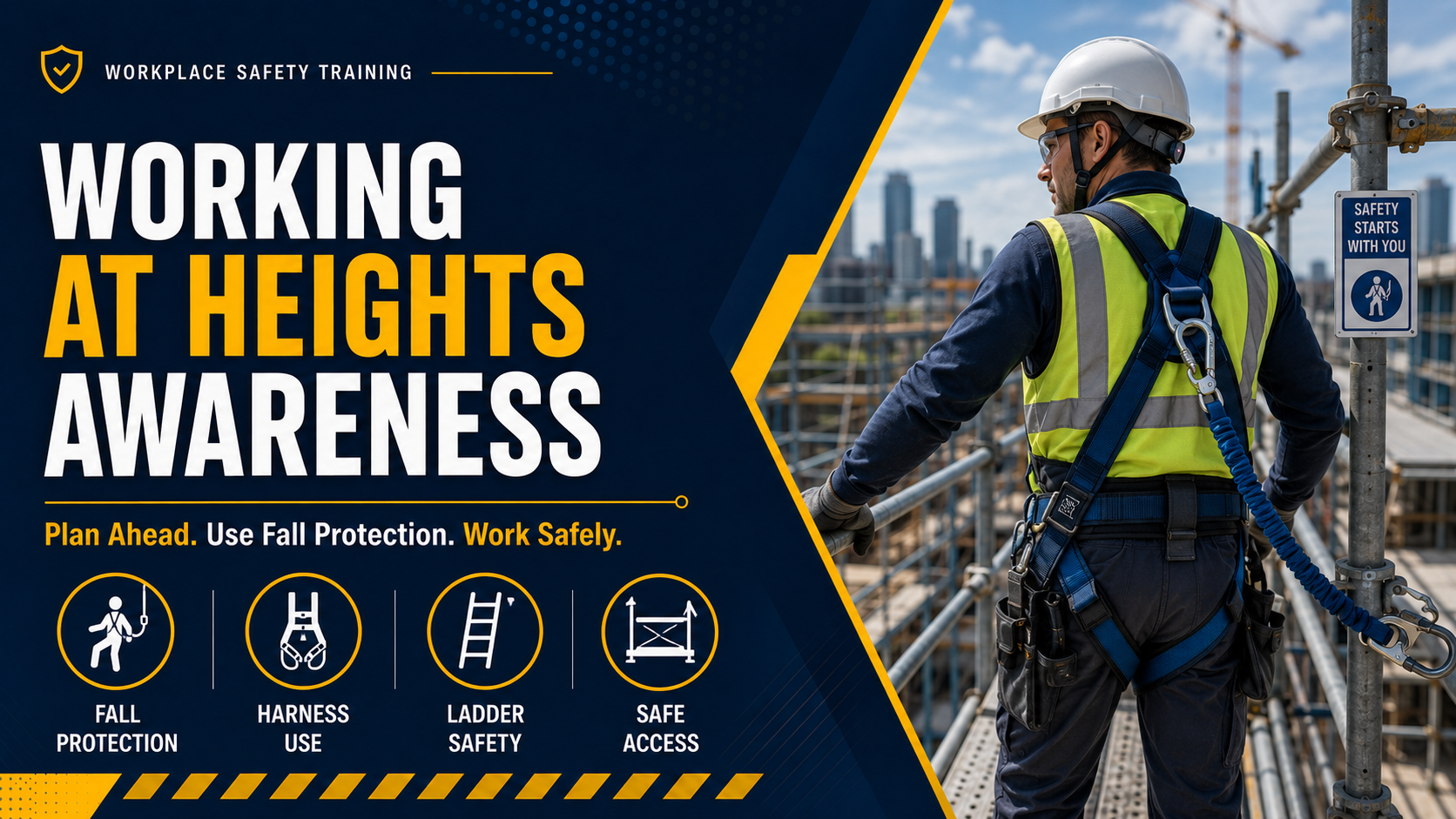
- Construction Site: Uneven ground or unsecured ladder placement leads to a fall from a height.
- Retail Store: Wet entryway floor during rainy weather without warning signs catches customers and staff off guard.
Prevention Starts With Awareness
Understanding what slips, trips, and falls are, how they happen, and their consequences is the first step toward prevention. Workers who recognize hazards and take appropriate precautions contribute significantly to a safer workplace.
Recap
- Slips happen due to insufficient friction; trips occur when the foot encounters an obstacle; falls are the result of losing balance.
- Slips, trips, and falls are common and costly workplace incidents, often leading to injuries and downtime.
- Common causes include poor housekeeping, wet surfaces, uneven flooring, inadequate footwear, and poor lighting.
- Practical workplace examples show how easily these incidents can occur if hazards are not controlled.
- Prevention begins with awareness and proactive reporting and correction of hazards.
Note: This course is designed for general workplace safety awareness and does not confer legal certification or substitute for employer or site-specific training requirements.