Welcome to Workplace Safety
Every workplace has unique risks and safety requirements, and as a cleaner, you play a vital role in keeping the environment safe for everyone. Understanding basic safety principles helps protect you, your colleagues, and all other people within the workplace.
Why Safety Matters in Cleaning Work
Cleaning tasks might seem routine but can involve exposure to hazards including harmful chemicals, slippery floors, sharp objects, and electrical equipment. Being aware of these risks and following safety measures reduces accidents and injuries, promoting a healthier work environment.
Your Role in Workplace Safety
Cleaners not only perform cleaning duties but also contribute significantly to maintaining overall workplace safety. For example:
- Keeping walkways free from spills and debris to prevent slips and falls.
- Properly handling cleaning chemicals to avoid harmful exposures.
- Safely managing waste to reduce contamination risks.
- Reporting hazards such as broken equipment or unsafe conditions promptly to supervisors.
By attentively carrying out these responsibilities, you help create a safer environment for all.
Common Workplace Hazards for Cleaners
Some hazards you might encounter include:
- Chemical Exposure: Cleaning products can cause skin irritation, respiratory problems, or allergic reactions if not handled properly.
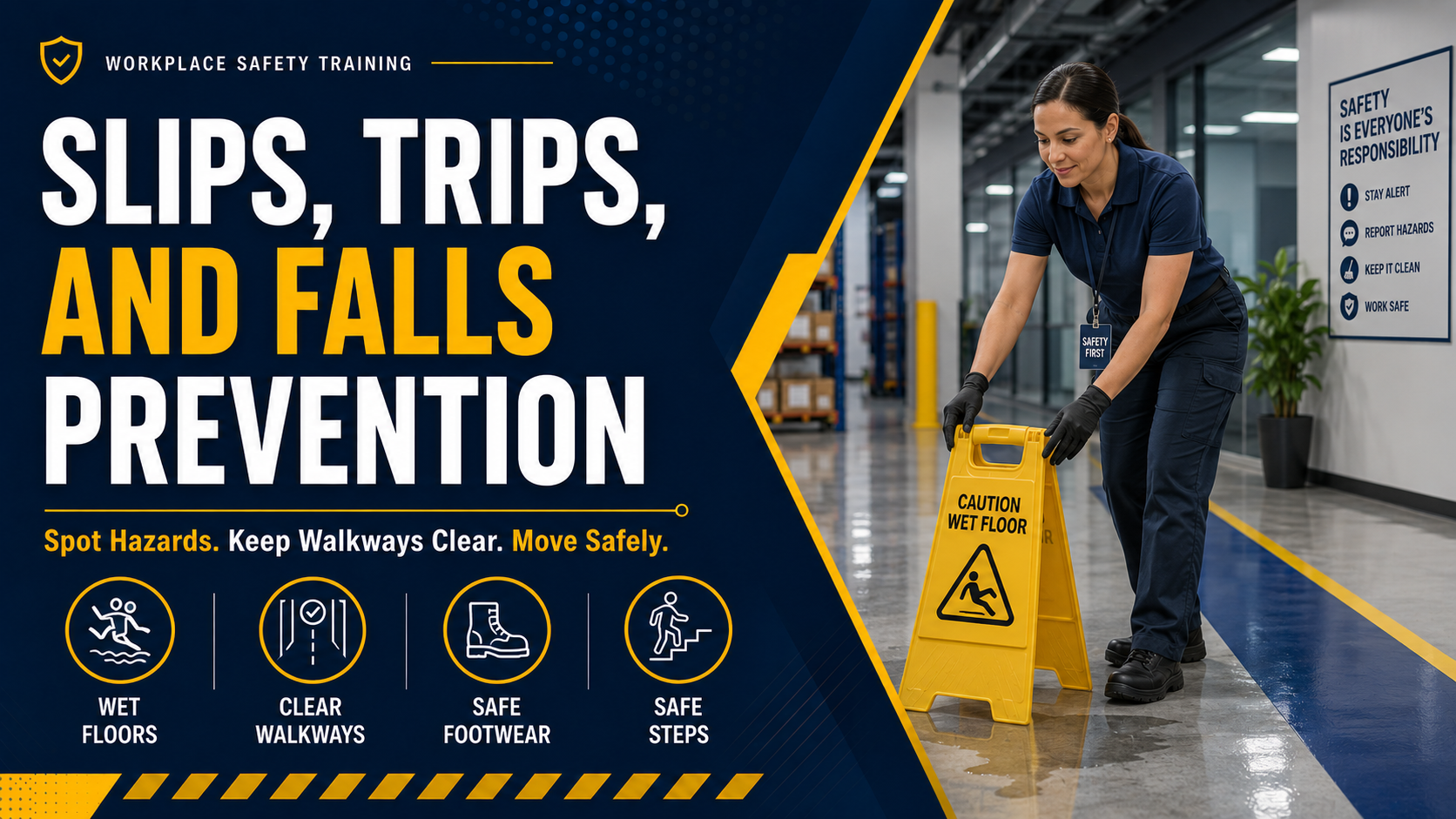
- Slips, Trips, and Falls: Wet floors, uneven surfaces, or cluttered areas can lead to accidents.
- Biological Hazards: Handling waste or contaminated materials carries the risk of infections.
- Manual Handling: Lifting or moving heavy equipment improperly can cause musculoskeletal injuries.
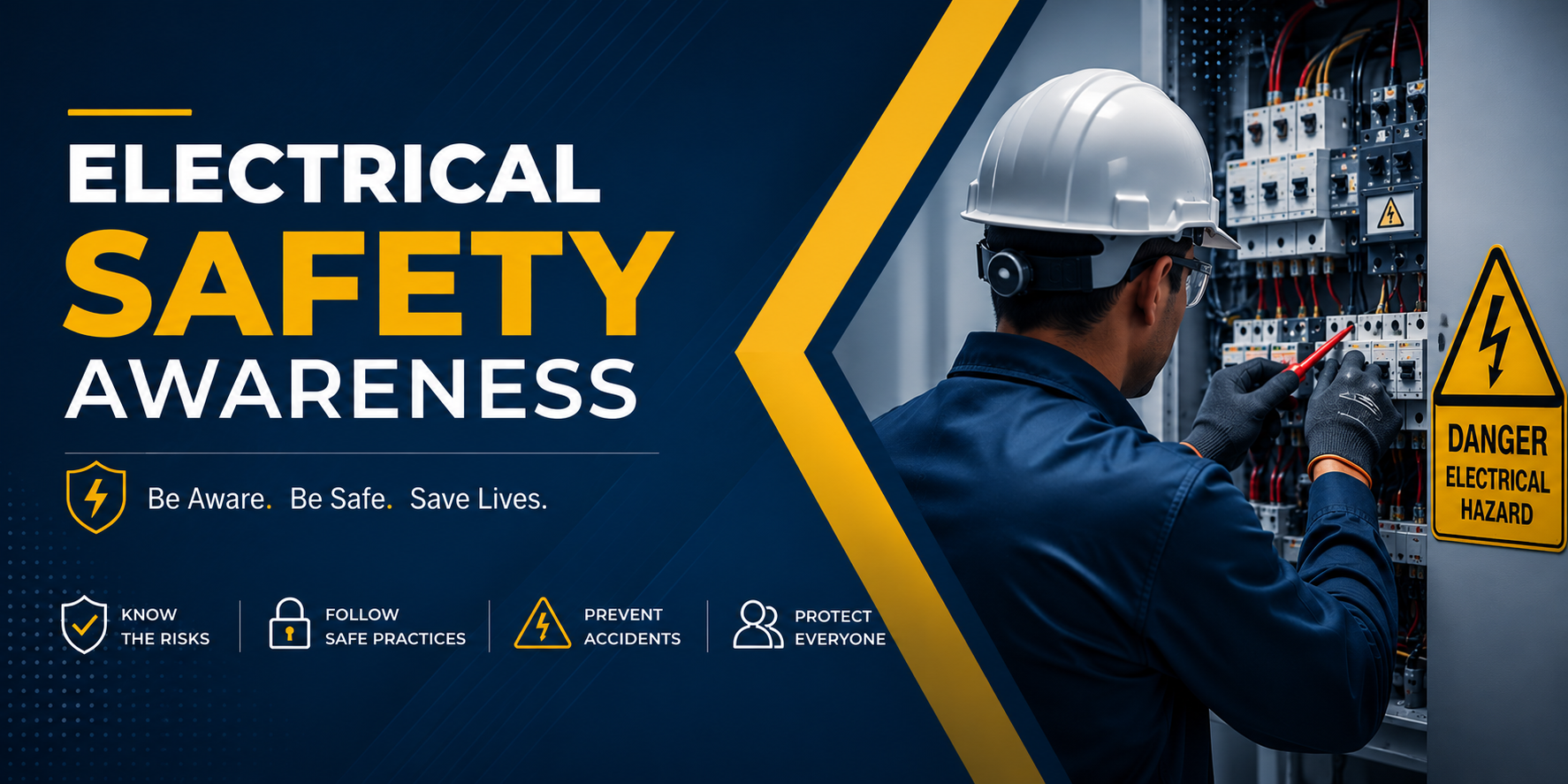
- Electrical Hazards: Using or working near electrical appliances may result in shocks or burns if safety is neglected.
Practical Safety Measures for Cleaners
Here are some everyday tips to enhance your safety at work:
- Use Personal Protective Equipment (PPE): Wear gloves, masks, protective eyewear, or other equipment as required for the tasks.
- Follow Product Instructions: Read and adhere to labels on cleaning chemicals. Do not mix different chemicals unless instructed.
- Maintain Good Housekeeping: Keep areas tidy to avoid trip hazards. Clean spills immediately and use proper signage.
- Practice Safe Lifting: Bend your knees, keep the back straight, and ask for assistance if objects are heavy or awkward.
- Report Unsafe Conditions: Inform supervisors about damaged equipment, blocked exits, or any other potential dangers.
Example: Handling a Spill Safely
Imagine you find a liquid spill in a busy hallway. Here’s how to manage it safely:
- Put up a ‘Wet Floor’ sign to warn others immediately.
- Use appropriate cleaning materials and PPE to clean the spill promptly.
- Dispose of any contaminated waste according to guidelines.
- Once cleaned, remove signs only when the floor is completely dry and safe.
This proactive approach prevents accidents and demonstrates your important role in safety.
Remember: Safety Is Everyone's Responsibility
While your employer is responsible for providing a safe workplace and training, your vigilance and adherence to safety practices are equally essential. Always prioritize your health and safety and do not hesitate to ask questions or seek further guidance whenever needed.
Course General Awareness Note
This course is designed to raise your general awareness about workplace safety as a cleaner. It is not a substitute for any legal certification, government approval, or employer-specific or site-specific safety training you may be required to complete. Always follow your workplace’s official safety policies and procedures.
Quick Recap
- Cleaning work involves specific safety risks that you must recognize.
- Your role is crucial in preventing accidents and maintaining a safe environment.
- Know common hazards such as chemical, biological, slip/trip, manual handling, and electrical dangers.
- Use PPE, follow instructions, and practice good housekeeping to reduce risks.
- Report hazards and unsafe conditions promptly.
- This lesson supports general safety awareness but does not replace official training requirements.
Thank you for committing to safer cleaning practices. Your attention to safety protects not only you but everyone in the workplace.