Overview of Occupational Health and Safety
Free previewIntroduction to the basic concepts, importance, and goals of OHSE.
Preview this lesson Open preview
Introduction to Occupational Health and Safety
Occupational Health and Safety (OHSE) is a critical discipline focused on protecting the health, safety, and welfare of people in the workplace. Its purpose extends beyond simply preventing accidents and injuries. OHSE aims to create a safe and healthy working environment where employees can perform their duties efficiently, without risk to their physical or mental well-being.
As an advanced OHSE professional, it's essential to understand not only the fundamental concepts but also the broader implications and benefits of effective occupational health and safety management. This lesson provides a comprehensive overview to build a solid foundation for further learning and practical application.
Basic Concepts of OHSE
At its core, OHSE involves the identification, evaluation, and control of hazards that may cause harm in the workplace. These hazards can be physical, chemical, biological, ergonomic, or psychosocial in nature. Understanding these categories helps professionals to anticipate where risks may arise and how best to mitigate them.
- Physical hazards: Include noise, machinery, slips and falls, electrical risks, and extreme temperatures.
- Chemical hazards: Exposure to harmful substances such as solvents, gases, dusts, or vapors.
- Biological hazards: Risks from bacteria, viruses, fungi, or other organisms, especially relevant in healthcare or laboratory settings.
- Ergonomic hazards: Related to the design of workspaces or tasks that may cause musculoskeletal disorders, such as repetitive motions or poor posture.
- Psychosocial hazards: Includes stress, workplace violence, and harassment.
Advanced OHSE professionals must assess these hazards systematically using risk assessments, incident analyses, and workplace inspections. This allows for the appropriate design and implementation of controls ranging from elimination of hazards to administrative controls and personal protective equipment.
Importance of OHSE in the Workplace
Prioritizing occupational health and safety is vital not only because it protects employees but also because it benefits organizations as a whole. Some key reasons include:
- Protecting Employees: Ensures the physical and mental well-being of workers, reducing injuries, illnesses, and absenteeism.
- Legal Compliance: Helps organizations comply with legal requirements and avoid penalties, though this course does not substitute for legal advice or certifications.
- Improving Productivity: A safe workplace tends to enhance worker morale and efficiency by reducing distractions related to hazards or unsafe conditions.
- Reducing Costs: Minimizing accidents and illness lowers healthcare expenses, compensation claims, and costs associated with operational downtime.
- Enhancing Reputation: Demonstrates corporate responsibility and commitment to staff welfare, which can improve stakeholder trust and attract better talent.
Goals of Occupational Health and Safety
The ultimate goals of OHSE professionals and programs include:
- Preventing Workplace Accidents and Injuries: Implementing preventive measures to avoid incidents before they occur.
- Promoting Health and Wellbeing: Encouraging practices that support both physical health and mental wellness.
- Ensuring Compliance: Aligning workplace conditions with applicable health and safety standards, policies, and best practices.
- Improving Safety Culture: Fostering an environment where safety is a shared responsibility and integrated into every level of operations.
- Continuous Improvement: Regularly reviewing and enhancing OHSE procedures based on audits, feedback, and new developments.
Practical Workplace Examples
To bring these concepts to life, consider the following practical examples:
- Manufacturing Facility: An OHSE professional might implement machine guards, routine maintenance procedures, and employee training sessions to prevent contact with moving parts or exposure to hazardous materials.
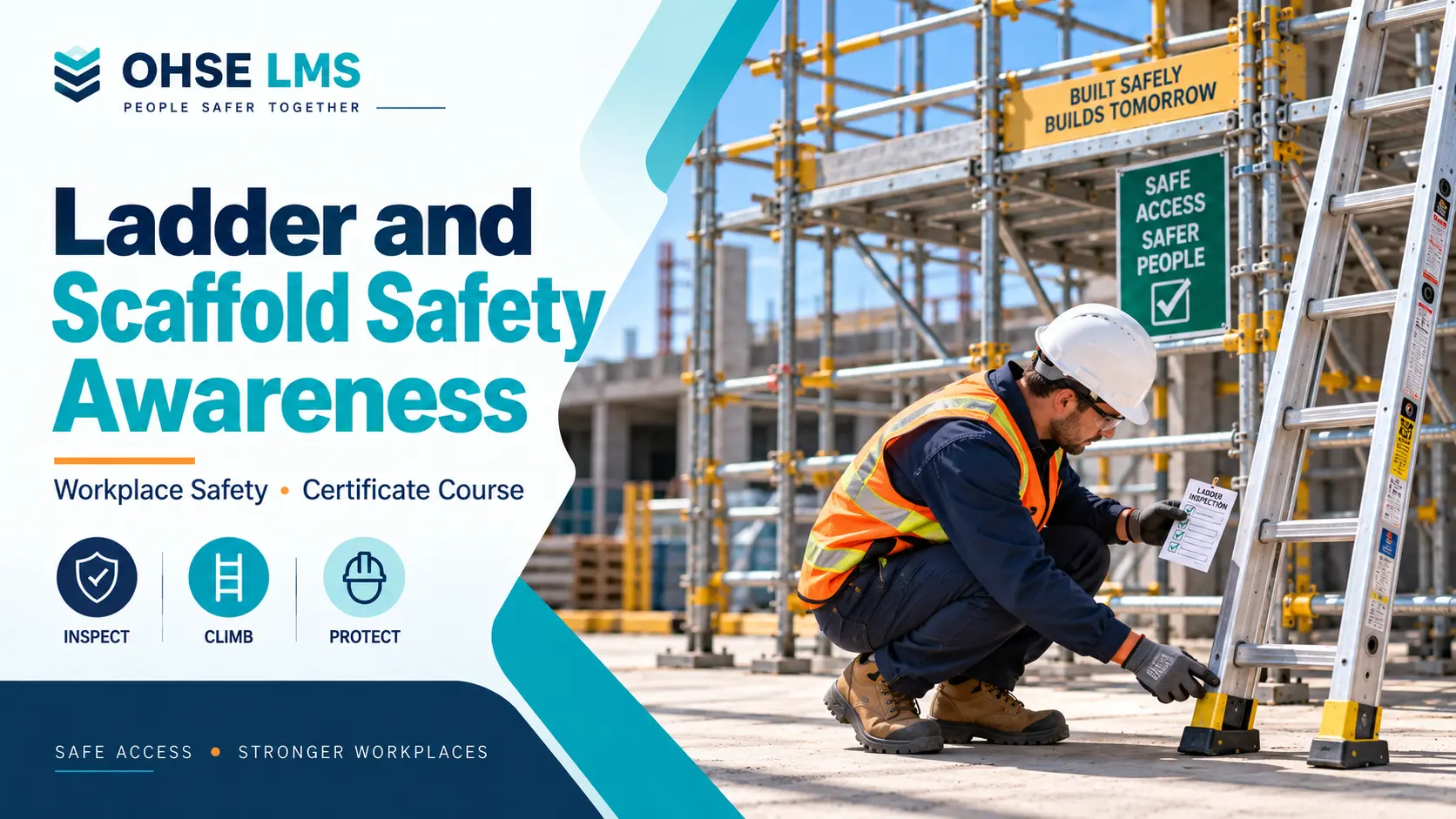
- Construction Site: Enforcing the use of personal protective equipment such as helmets, high-visibility vests, and harnesses while also ensuring clear communication of hazards like unstable scaffolding.
- Office Setting: Addressing ergonomic risks by providing adjustable chairs and desks, encouraging regular breaks to prevent repetitive strain injuries, and promoting mental wellness through stress management programs.
- Healthcare Environment: Implementing protocols for proper handling and disposal of biohazardous waste, vaccination programs, and clear guidelines to minimize exposure to infectious diseases.
General Awareness Note
This course is designed to provide a broad understanding of occupational health and safety principles for workplace safety awareness. It is not intended to replace employer-specific or site-specific training, detailed safety certifications, or legal advice. Professionals should always adhere to their organization’s policies, site rules, and any specialized training relevant to their specific roles and environments.
Recap
In summary, this lesson has covered the fundamental concepts, importance, and goals of occupational health and safety. OHSE aims to identify and control workplace hazards, protect workers, ensure regulatory compliance, and promote a positive safety culture. Through practical examples, we have highlighted how these principles can be applied in diverse workplace settings. Remember, OHSE is a continuous journey of improvement and vigilance that requires collaboration at all organizational levels.
Armed with this knowledge, you are better equipped to contribute to safer and healthier work environments. Continue to build on this foundation with specialized training and stay current with best practices and regulations to maintain excellence in occupational health and safety management.