Introduction
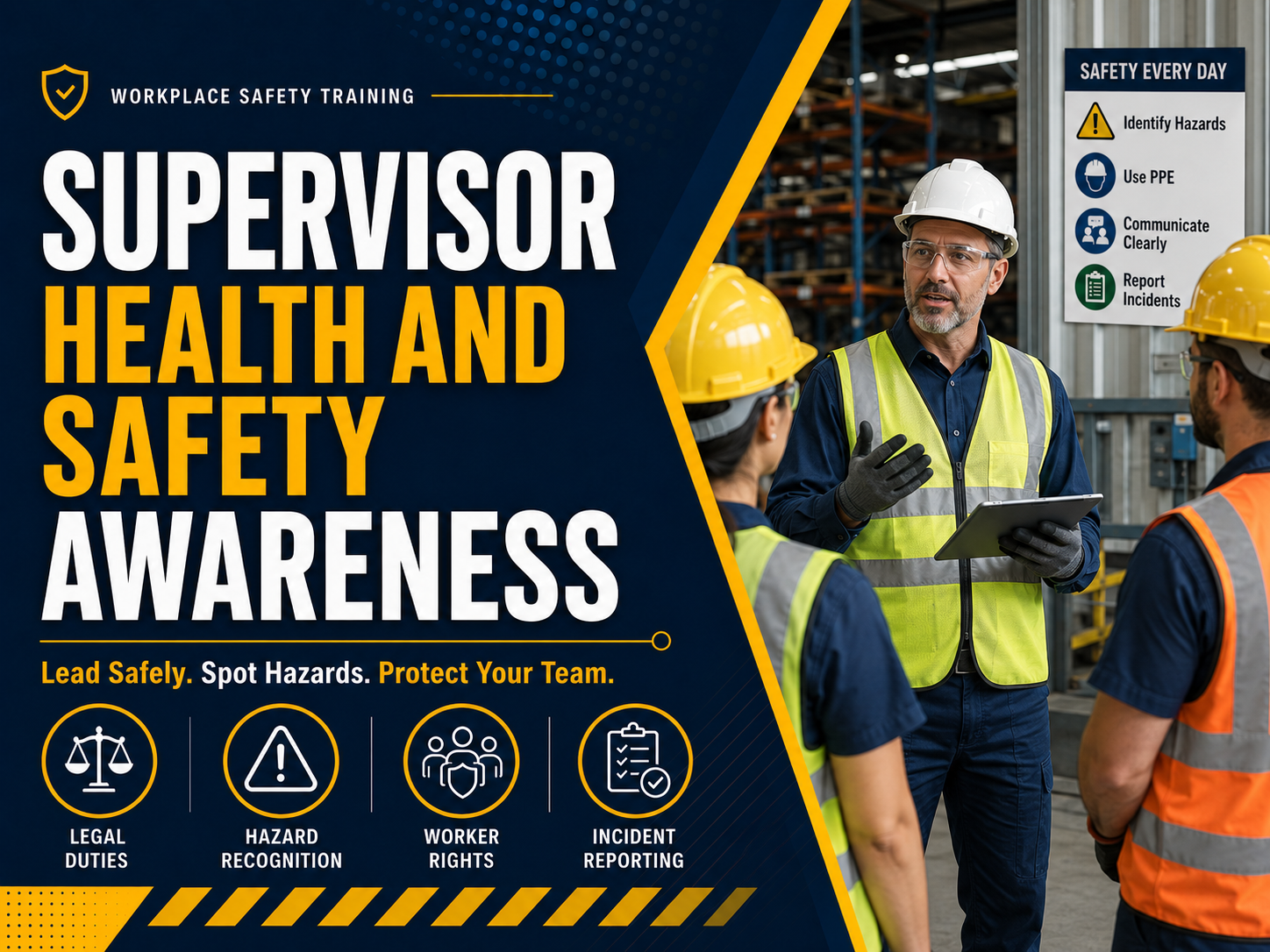
Safety is a critical part of every security guard’s role. As a frontline professional responsible for protecting people, property, and assets, understanding and practicing workplace safety is essential not only for your well-being but also for those around you. This lesson introduces key principles of workplace safety designed specifically for security personnel, helping you to recognize hazards, prevent accidents, and respond effectively to emergencies.
Understanding Workplace Safety in Security
Workplace safety means creating and maintaining an environment where risks and hazards are minimized. For security guards, this extends to physical safety, situational awareness, proper use of equipment, and adherence to established protocols. Since your role often involves working in a variety of environments—such as office buildings, industrial sites, retail locations, and public spaces—being alert and prepared is crucial.
Important safety concepts include:
- Hazard Identification: Recognizing potential threats or unsafe conditions before they cause harm.
- Risk Assessment: Evaluating how likely a hazard is to cause injury and the severity of possible consequences.
- Preventive Measures: Following procedures or making adjustments to reduce exposure to hazards.
- Emergency Preparedness: Knowing how to react calmly and effectively in emergency situations.
Common Workplace Hazards for Security Guards
Security guards may face unique hazards depending on the work setting. Some common risks include:
- Physical Assault: Confrontations with aggressive individuals can lead to injury.
- Slips, Trips, and Falls: Uneven surfaces, wet floors, or cluttered walkways can cause accidents.
- Fatigue and Stress: Long shifts, night work, or high-pressure environments impact alertness and judgment.
- Exposure to Hazardous Materials: Industrial sites or construction areas may have chemicals or debris posing risks.
- Environmental Factors: Extreme weather, poor lighting, or confined spaces may complicate safety.
Practical Safety Tips for Security Guards
Applying safety principles in your daily duties makes your workplace safer for everyone. Consider these practical strategies:
- Maintain Situational Awareness: Continuously monitor your environment for unusual activity or potential hazards. Avoid distractions such as excessive phone use when on duty.
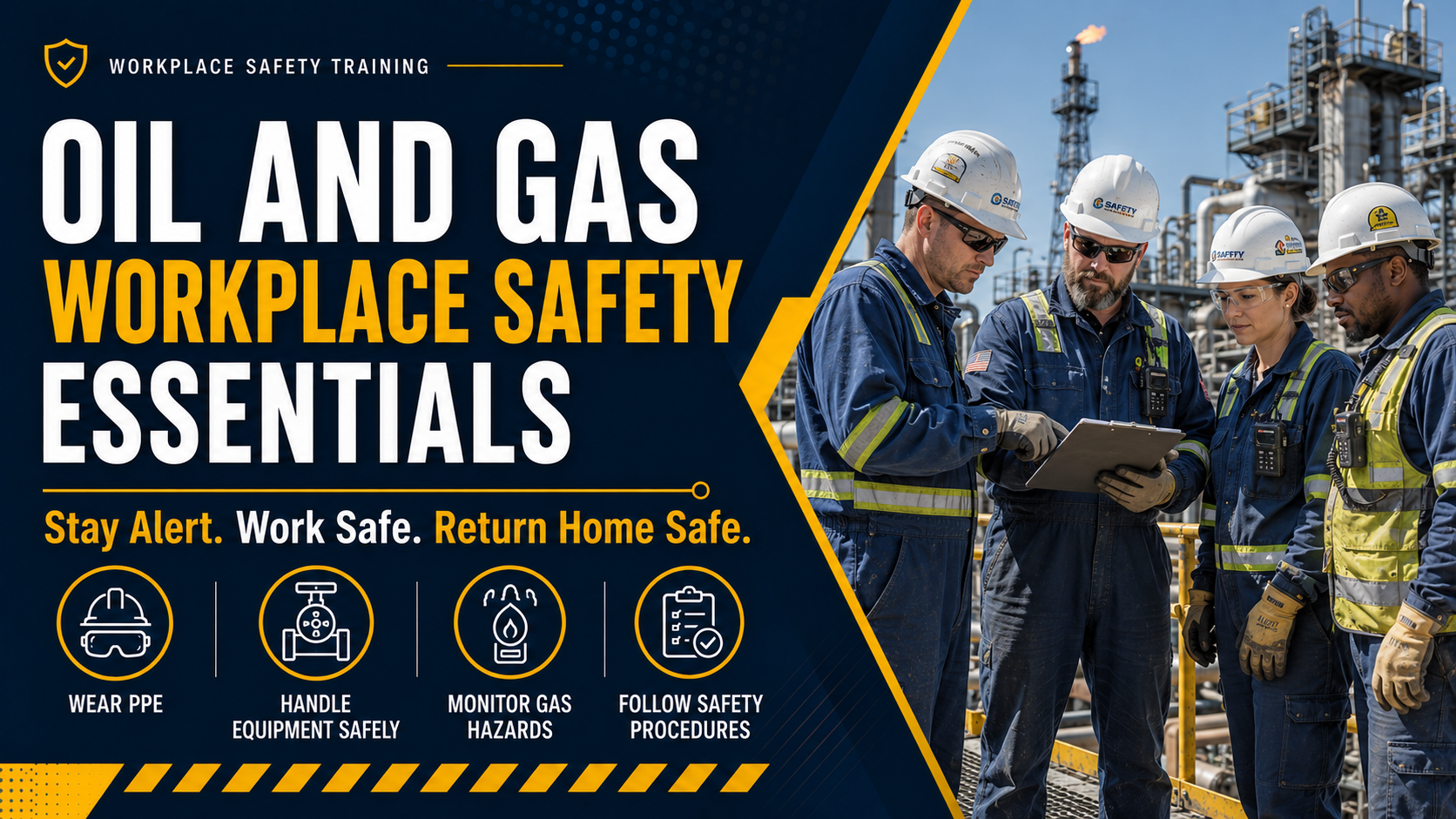
- Use Appropriate Personal Protective Equipment (PPE): Wear reflective vests, gloves, or sturdy footwear as required by your posting.
- Follow Standard Operating Procedures: Adhere to your employer’s safety protocols, including reporting incidents promptly.
- Communicate Effectively: Use radios or other devices to stay connected with team members and supervisors.
- Conduct Regular Patrols: Inspect the premises to identify and address potential safety issues like unlocked doors, broken equipment, or hazardous spills.
- Manage Stress and Fatigue: Take scheduled breaks, stay hydrated, and get adequate rest to maintain focus.
- Attend Training Sessions: Participate in ongoing safety and emergency response training to refresh skills and knowledge.
Real-World Example: Preventing a Slip-and-Fall Injury
Imagine you are patrolling a shopping mall and notice a wet floor near an entrance where customers frequently come in after rain. The floor is shiny and likely slippery, but there are no warning signs placed.
As a security guard aware of safety best practices, you would:
- Immediately notify mall maintenance to place caution signs and clean the area promptly.
- Warn nearby shoppers and direct foot traffic away from the slippery spot as much as possible.
- Log the hazard and actions taken in your daily report to ensure management is informed.
This simple but proactive approach reduces the risk of injuries and demonstrates the important role security guards play in overall workplace safety.
Emergency Preparedness for Security Personnel
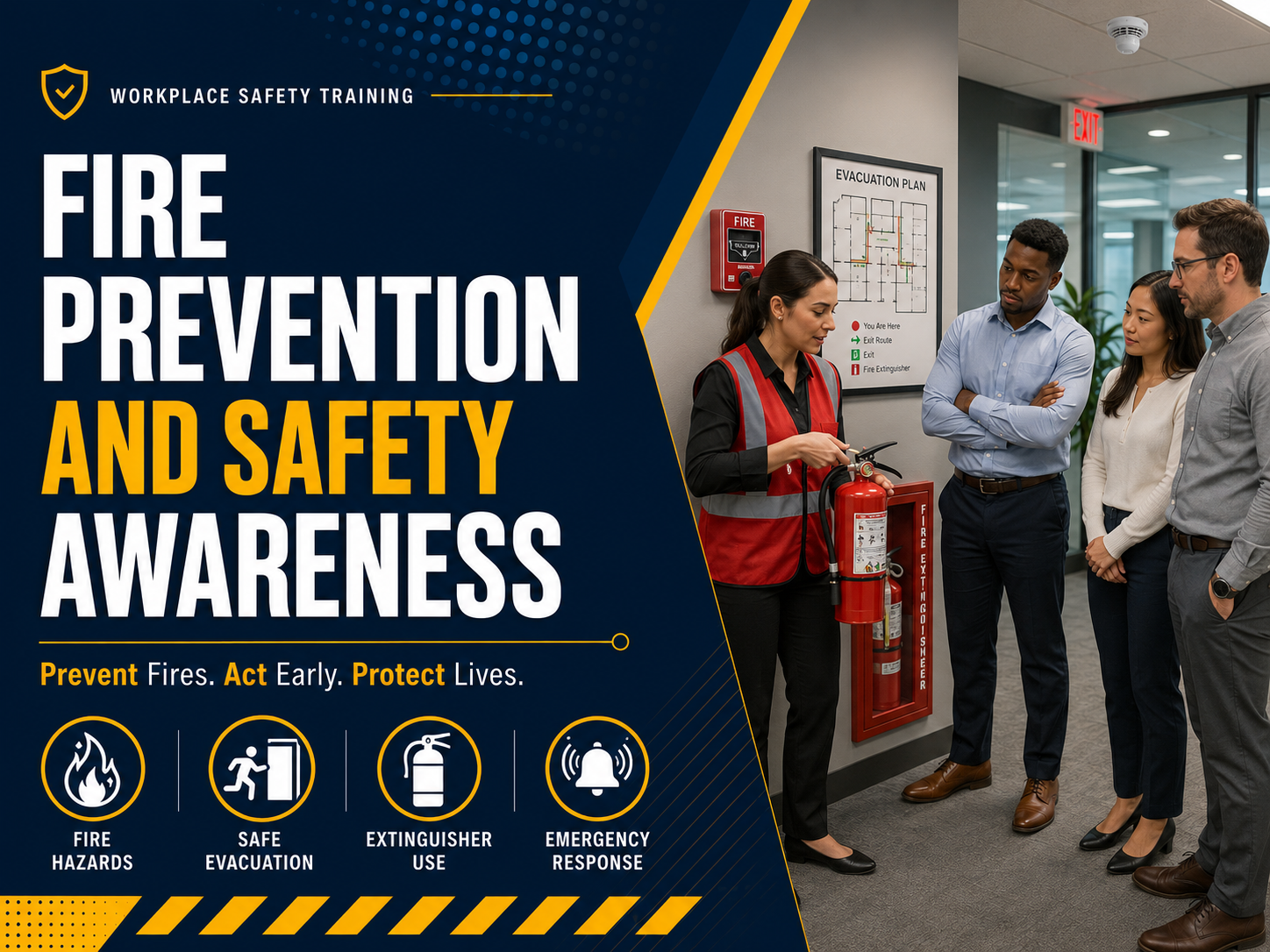
Preparing in advance for emergencies such as fires, medical incidents, or security breaches is essential. As a security guard, your responsibilities may include:
- Knowing evacuation routes and assembly points.
- Assisting with crowd control during emergencies.
- Providing first aid or summoning medical assistance if trained.
- Communicating clear and calm instructions to occupants.
- Reporting incidents accurately to emergency responders and management.
Regular drills and training improve your ability to handle emergencies efficiently and safely.
Summary and Recap
Workplace safety is fundamental to the role of security personnel. By understanding hazards specific to your environment, following preventive measures, and staying prepared for emergencies, you contribute significantly to a secure and safe workplace.
Key takeaways from this lesson include:
- Recognize that safety is a shared responsibility, with you playing a vital role in hazard prevention and response.
- Maintain constant situational awareness to identify risks early.
- Use proper personal protective equipment and follow established safety procedures.
- Communicate clearly and act proactively to address hazards.
- Prepare for emergencies through training and familiarization with protocols.
Remember, this course provides general safety awareness and does not replace any specific safety training or legal requirements mandated by your employer or site. Always follow the rules and guidelines that apply to your particular work setting.
Your commitment to workplace safety protects not only yourself but also the people and property under your watch.