Understanding Infection Risks in the Workplace
Infections can spread rapidly in various work environments, posing risks to employees, customers, and the broader community. Infectious agents such as bacteria, viruses, fungi, and other microorganisms thrive in certain conditions and can be transmitted through direct contact, airborne droplets, contaminated surfaces, or shared equipment.
Workplaces where people work in close proximity, share tools, or interact frequently have a higher risk of infections spreading. This makes infection prevention and control critical to ensure the health and safety of everyone involved.
Why Infection Prevention and Control is Important
Preventing infections helps reduce absenteeism, maintains productivity, and protects vulnerable individuals. When infection control measures are effective, workplaces can:
- Minimize illness and the risk of outbreaks among workers.
- Reduce the spread of infections to families and the wider community.
- Ensure compliance with workplace health and safety policies.
- Promote a culture of health, safety, and wellbeing.
Common Infection Risks in Different Workplaces
Every workplace is unique, but some common risks include:
- Healthcare settings: Exposure to bloodborne pathogens, respiratory infections, and antibiotic-resistant organisms.
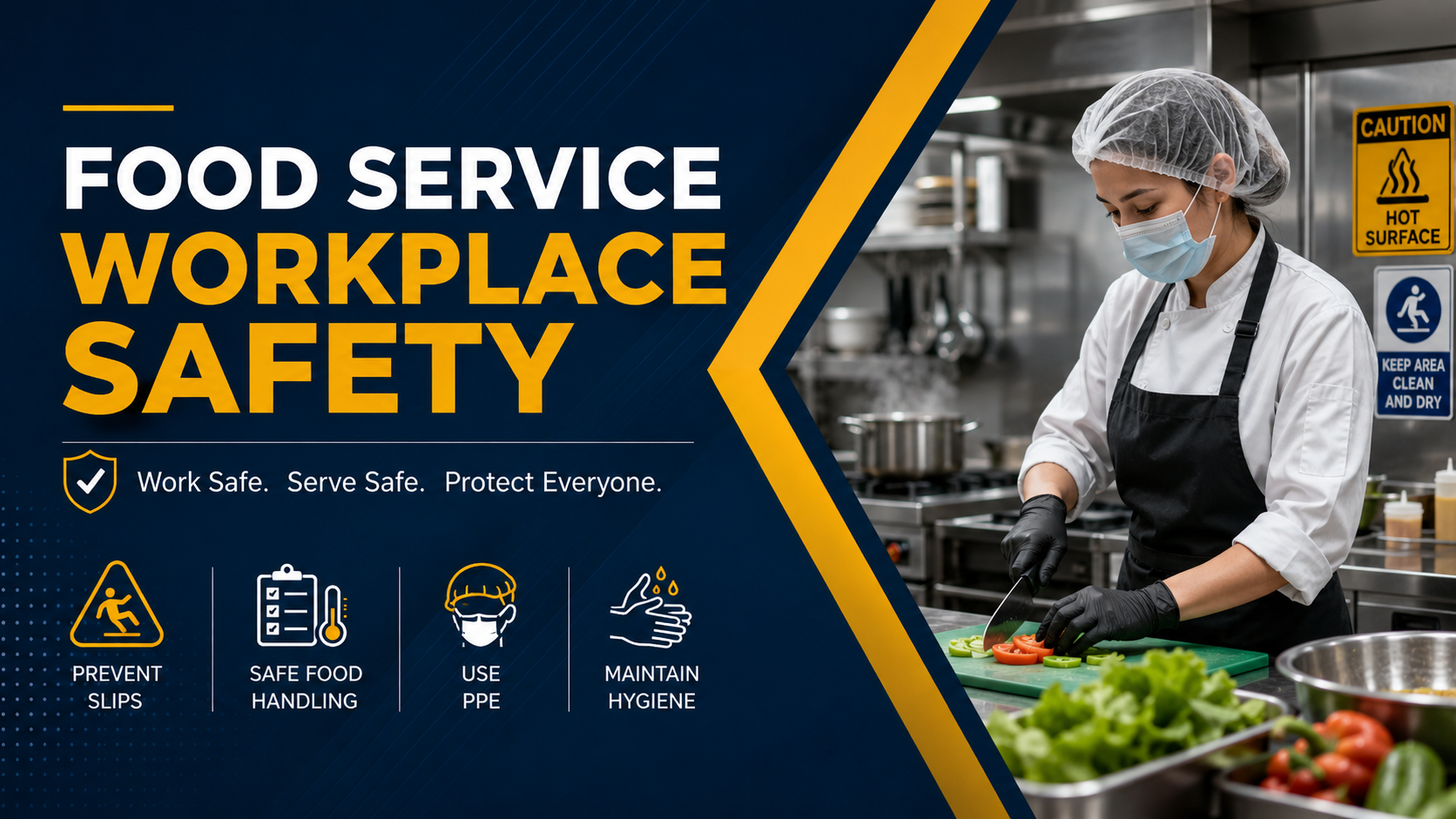
- Food service and preparation: Foodborne pathogens due to improper hygiene and cross-contamination.
- Office environments: Shared surfaces and close contact facilitating cold, flu, and other respiratory infection spread.
- Construction and manual labor: Injuries that can lead to infection if not properly cleaned and covered; shared tools increasing risk of skin infections.
- Retail and customer service: Frequent interaction with the public and shared payment devices or equipment.
Key Principles of Infection Prevention and Control
Implementing effective infection control relies on several fundamental principles that can be applied across all industries:
- Hand hygiene: Regular and thorough hand washing with soap and water or using alcohol-based hand sanitizers is one of the most effective ways to reduce infection transmission.
- Cleaning and disinfection: Routine cleaning followed by disinfection of frequently touched surfaces, tools, and equipment helps eliminate infectious agents.
- Use of personal protective equipment (PPE): Depending on the risk, gloves, masks, protective eyewear, and gowns can provide a barrier against infections.
- Respiratory etiquette: Covering coughs and sneezes with tissues or elbows, and proper disposal of tissues helps reduce airborne spread.
- Safe waste management: Proper disposal of contaminated materials, sharps, and waste prevents contamination and injury.
- Health monitoring: Encouraging sick workers to stay home and promoting vaccination where applicable helps contain illness in the workplace.
Practical Examples of Infection Prevention in the Workplace
- Office workers: Frequently clean shared keyboards, phones, and door handles; place hand sanitizer dispensers in common areas; encourage employees to avoid close contact when unwell.
- Retail staff: Clean payment terminals between customers; wear masks during peak cold and flu seasons; provide training on hand hygiene and respiratory etiquette.
- Food handlers: Wash hands before food preparation; wear gloves when handling ready-to-eat food; sanitize workstations regularly to prevent cross-contamination.
- Construction workers: Cover wounds promptly and keep them clean; avoid sharing personal protective equipment; clean tools and machinery daily.
- Healthcare workers: Follow strict hand hygiene protocols; use appropriate PPE; dispose of medical waste carefully to prevent contamination.
Creating a Culture of Infection Prevention
Successful infection prevention requires active participation from everyone in the workplace. Management commitment, ongoing education, clear communication of policies, and easy access to hygiene resources are essential to encourage safe practices.
Workers should feel empowered to speak up about concerns and participate in training sessions. Regular reminders, visible signage, and leadership role modeling help reinforce important behaviors.
Recap
Infections pose a real risk in workplaces but can be effectively managed by understanding how they spread and implementing appropriate prevention and control measures. Key points to remember include:
- Infections can spread through contact, droplets, and contaminated surfaces.
- Effective infection control protects workers, their families, and the community.
- Hand hygiene, cleaning, use of PPE, respiratory etiquette, and safe disposal are fundamental practices.
- Practical actions vary by workplace but should emphasize common core principles.
- A culture of safety and health requires cooperation, education, and leadership support.
This lesson serves as a foundation for infection prevention awareness. It is not a substitute for specific employer or site training, nor does it replace any legal or certified training requirements.