Introduction to Supervisor Safety Responsibilities
Free previewOverview of supervisor roles and responsibilities in workplace safety.
Preview this lesson Open preview
Understanding the Role of a Supervisor in Workplace Safety
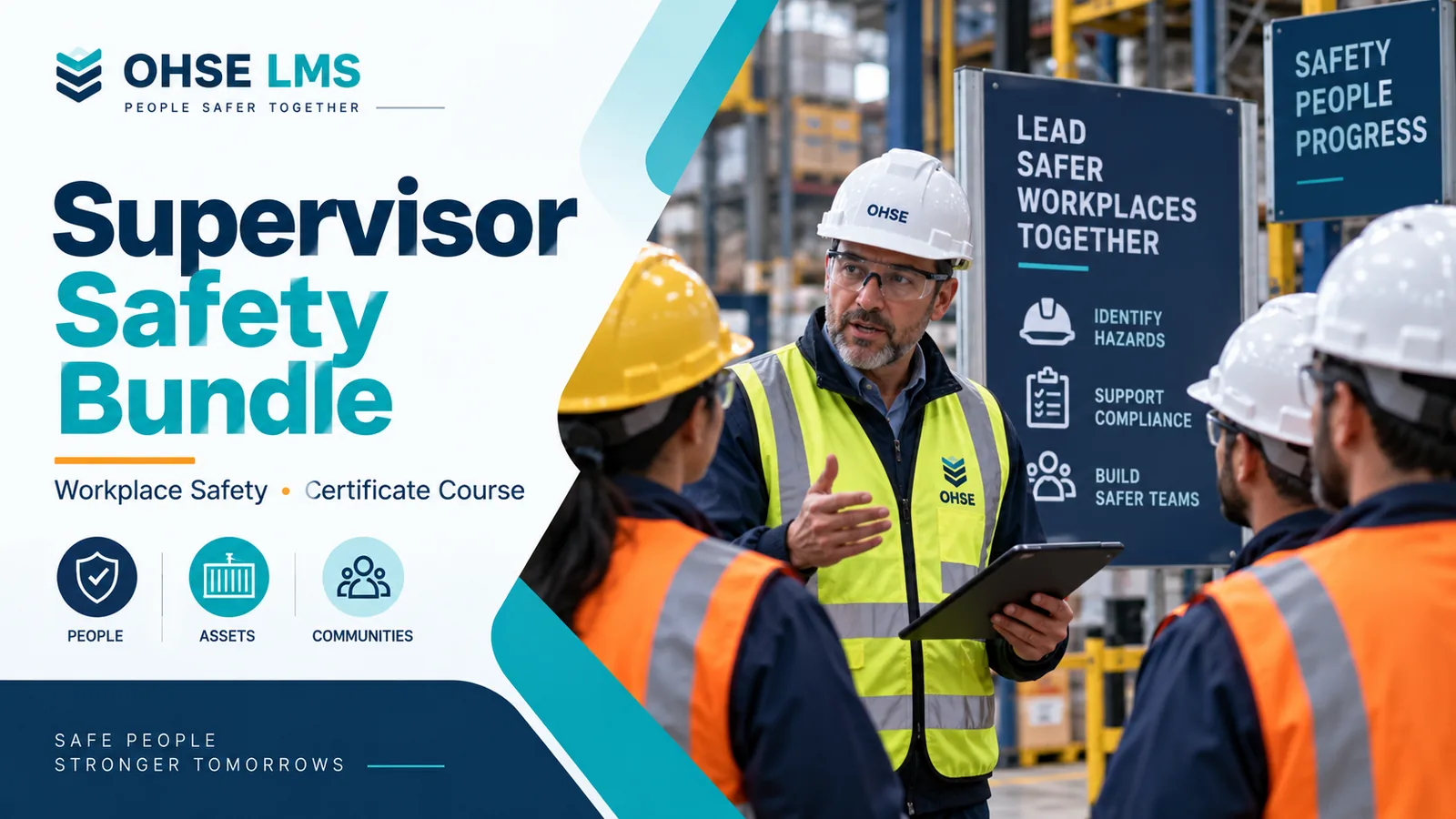
Supervisors play a critical role in maintaining a safe and healthy work environment. As a supervisor, you act as the link between management and frontline workers, ensuring that safety policies and procedures are not only communicated but also effectively followed and enforced. This lesson will explore your responsibilities in promoting workplace safety, identifying hazards, and fostering a safety-conscious culture among your team.
Key Safety Responsibilities for Supervisors
Supervisors are accountable for several important safety tasks, including:
- Implementing Safety Policies: It is your responsibility to understand and uphold your organization's safety policies. This includes making sure your team is aware of these policies and understands their importance.
- Identifying Hazards: Regularly inspect the workplace to spot potential safety hazards. Encouraging your team to report unsafe conditions is also vital.
- Training and Orientation: Oversee the safety training of new and existing employees. Ensure they are familiar with safe work procedures and emergency plans.
- Monitoring Compliance: Observe daily work activities to make sure safety measures are being followed correctly. Address any unsafe behavior immediately.
- Incident Reporting and Investigation: When incidents or near-misses occur, promptly report and investigate them to determine causes and prevent recurrence.
- Promoting a Safety Culture: Lead by example to create an environment where safety is prioritized, and employees feel comfortable discussing safety concerns without fear of reprisal.
Practical Examples in the Workplace
Consider a manufacturing environment where workers operate heavy machinery. As a supervisor, your responsibilities include ensuring all operators have completed required safety training and wear appropriate personal protective equipment (PPE) such as gloves, eye protection, and hearing protection. During routine walk-throughs, you notice a loose guard on a conveyor belt. You immediately tag the equipment as unsafe, remove it from service, and notify maintenance to make repairs. You also remind your team about the importance of guarding moving parts.
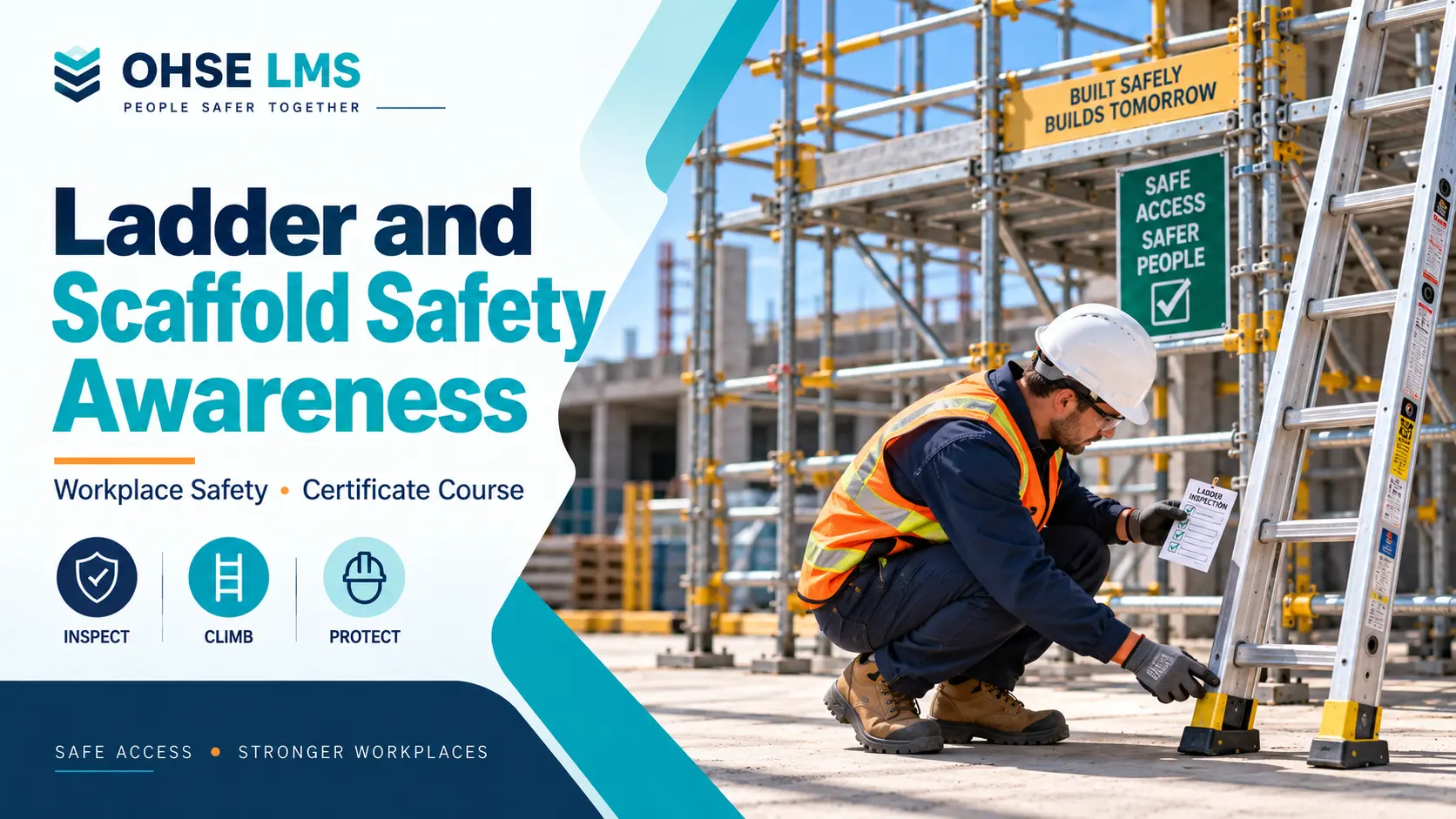
In another example, imagine supervising a construction site. You hold daily toolbox talks to review site-specific hazards, such as working at heights or handling hazardous materials. You make sure that scaffolding is properly erected and inspected, that fall protection systems are in place, and that emergency evacuation routes are known to all workers. When a worker reports a slippery surface after a rainstorm, you arrange for prompt cleanup and signage to warn others.
Communicating Safety to Your Team
Effective communication is key to successful safety management. As a supervisor, you should:
- Clearly explain safety procedures and the reasons behind them.
- Encourage open dialogue where workers can raise safety questions or concerns.
- Provide constructive feedback and recognize safe behaviors.
- Use regular meetings or safety briefings to keep safety top of mind.
Challenges Supervisors May Face
Some common challenges include balancing production demands with safety priorities, managing diverse teams with varied experience levels, and addressing resistance or complacency toward safety rules. Being aware of these challenges and addressing them proactively helps you maintain a safe workplace.
Recap
Supervisors are vital to workplace health and safety. Your responsibilities include enforcing safety policies, identifying and correcting hazards, providing training and guidance, ensuring compliance, reporting and investigating incidents, and fostering a culture where safety is valued. By embracing these duties, you help protect your team and contribute to an efficient, incident-free work environment.
Remember: This course provides general safety awareness and does not replace specific employer or site training, nor does it provide legal certification. Always follow your organization's tailored safety procedures and training programs.